
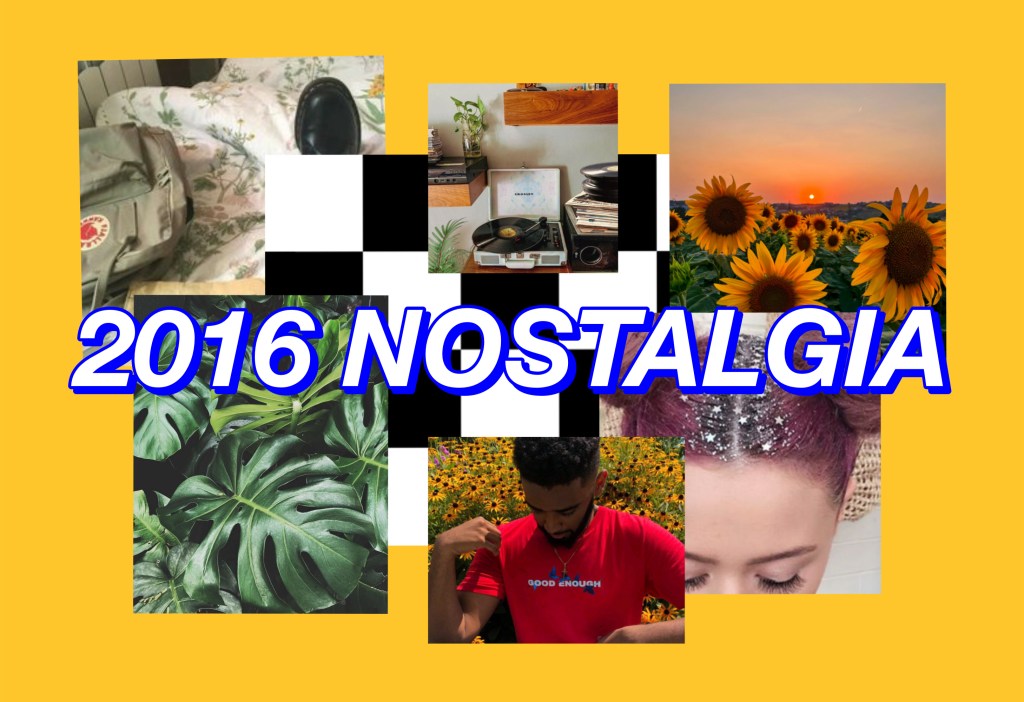
It’s 2016. You have checkerboard bedsheets and a potted monstera wilting in the corner of your room. Your Crosley Cruiser record player is currently skipping over your Urban-Outfitters-bought copy of Currents… or maybe it’s Coloring Book… or maybe it’s Honeymoon. You have Tumblr open on your laptop and Vine open on your iPhone SE. It doesn’t matter what corner of cyberspace you’re a resident of — because today is August 21st — and last night a sonic bomb was detonated that has sent shockwaves through the internet, and will go on to alter the face of music fandom in ways you can’t even comprehend quite yet. Last night, Frank Ocean surprise dropped Blonde.
2016 nostalgia has the entire world in a chokehold right now, even more so than usual. These sentiments have been making their rounds online for so long that it feels as though the youth have been yearning for 2016 ever since January 1st of 2017. It’s almost impossible to go more than a month without a clip of the 2016 XXL cypher crossing your feed, or a glimpse at a Project X-esque house party captioned as the ‘worst day in 2016’. Exasperated by the pandemic — a time where the simple pleasures of socialization seemed so foreign to us — it feels inevitable that the world still can’t help but reminisce on times where community felt stronger, when the zeitgeist seemed more optimistic, and when so many of us were younger, more naive, and more hopeful versions of ourselves. And really, the rampant force that 2016 nostalgia has carried online really shouldn’t shock us — especially when the year’s cultural exports are so striking and singular.
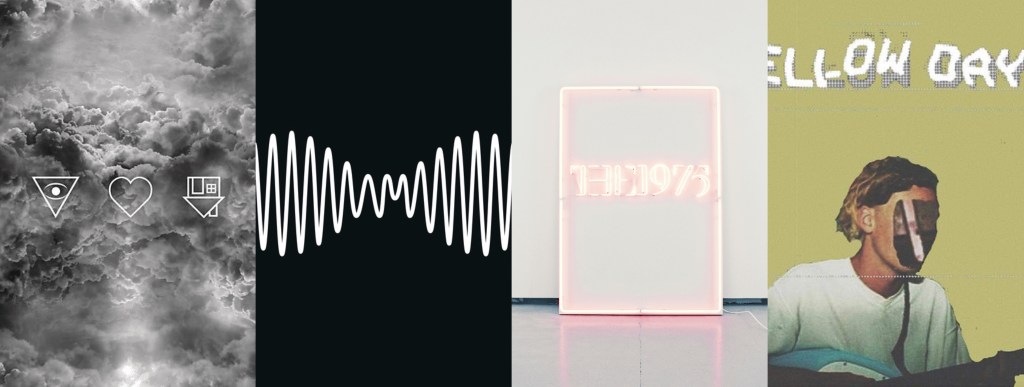
Regardless of niche or subculture, 2016 and the years surrounding it had an undeniably distinct sound, marked simply by atmosphere and optimism. For those that spent the mid-2010s donning American Apparel tennis skirts and tattoo chokers, I like it when you sleep, for you are so beautiful yet so unaware of it by The 1975 serves as a manifesto for the state of indie rock at the midpoint of the decade, championing a sound that many of the bands contemporaries were mimicking as well. Compared to the dark, emotional, and almost gothic sounds from the decade’s first half (albums à la I Love You by The Neighbourhood and AM by Arctic Monkeys), I like it when you sleep is light and marked by glittering synths and warm pads — a bold yet digestible sonic shift into brighter waters. Albums such as 22, A Million by Bon Iver and debuts like Yellow Days’ Harmless Melodies also mirrored this transition into warmer, experimental soundscapes that were more open-minded.
Indie pop in the mid-2010s experienced a similar metamorphosis, starkly defined by Lorde’s Melodrama; a dramatically more energetic and optimistic project than her debut Pure Heroine. Though Melodrama is not without heartbreak and darkness, the album’s backbone of arpeggiated synths and major chords is undeniably more hopeful than the sparse, cavernous sounds found on her previous body of work. Art Angels, perhaps one of the most defining albums of the Tumblr Age, is brash and unapologetic in its joy. Marina embraced technicolor with FROOT, the mood between this project and her prior Electra Heart being as stark as night and day. Even Lana Del Rey would release what is still regarded as her most optimistic project to date, Lust for Life, in 2017.
Not even the most beloved emo and pop punk bands of the century survived 2016 without a complete makeover. Paramore, after abandoning their angst on their self-titled project in 2013, pushed the envelope further by releasing an ‘80s influenced new wave project, devastating in subject matter but sweet as candy to the ears. Fall Out Boy swapped their guitars for synths on the highly contested but highly successful American Beauty / American Psycho, stuffed full of electronic samples and a shimmering atmosphere.
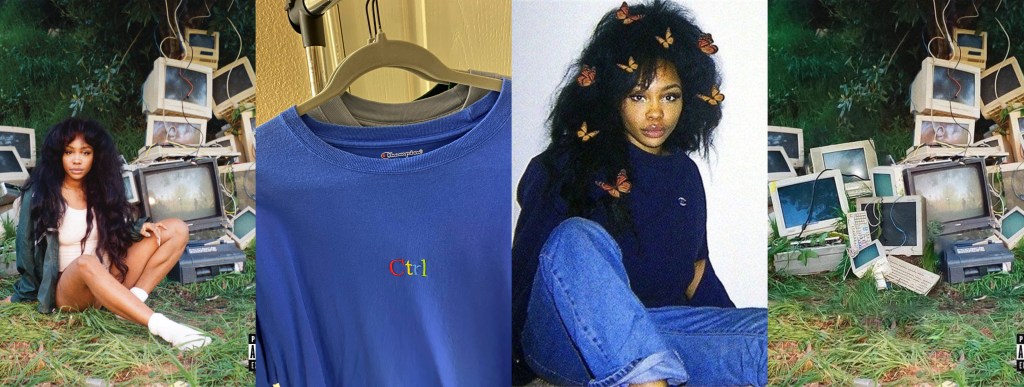
Characterized by the various projects put out by Odd Future and its collaborators, alt-rap and R&B found itself blooming in and around 2016. Arguably one of the biggest driving forces drenching these genres in color and light was Because the Internet, released years prior in 2013. Because the Internet was one of the catalysts switching the kettle on, heralding later works such as Hive Mind by The Internet and Coloring Book by Chance The Rapper — both projects undeniably sonically different but still aesthetically and culturally adjacent. 2016 served as the preliminary bubblings of an alt-rap, indie R&B ‘Art Hoe’ movement that would reach its boiling point with the release of Blonde. However, the signature projects of this ‘Art Hoe’ era wouldn’t arrive until the following summer with the release of Tyler, the Creator’s Flower Boy and SZA’s Ctrl.
The ‘Art Hoe’ movement is particularly noteworthy here, as culturally we haven’t yet come close to any mass stylistic attempts to replicate it since. Though defined aesthetically by sunflowers and Fjällräven Kånken backpacks and overalls, the movement was always about more than just appearances; at its core, the ‘Art Hoe’ subculture was about providing a space for women of color to explore and embrace their creative freedom. Though this mission statement was unfortunately largely buried in the eyes of the algorithm by its purely aesthetic signifiers, the most notable outputs of the era still reflect the core values of the movement boldly. Ctrl is the most striking and famous example of this. Artistically, the album’s visual branding perfectly reflects the movement: lush greens, grainy vintage filters, and the primary-coloured logo, just to name a few examples. Thematically and lyrically, the album is even more of a love letter to this sample of the cultural zeitgeist. Ctrl is emotionally raw and unabashedly honest — even charmingly insecure at times — but its fuzzy radiance and sunniness soaks through the entire project. Ctrl is soft, but not weak. Its softness comes from a place of radical acceptance, of love.
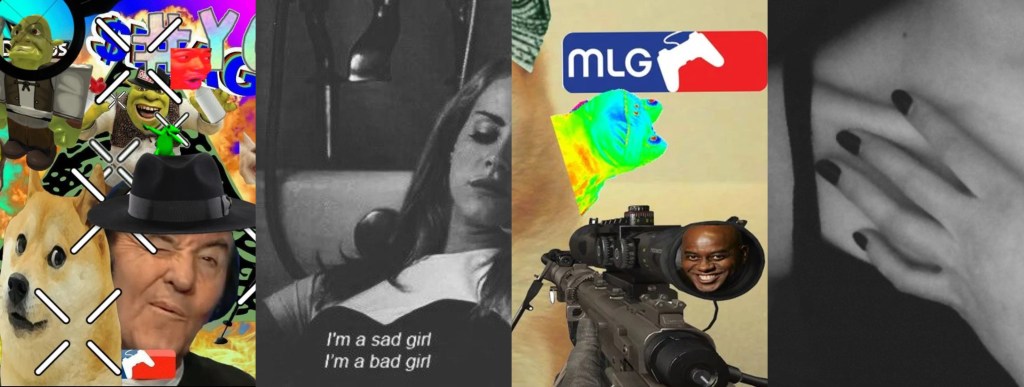
With all of these genres and cultural shifts laid out, one can see this was youth culture in its softest, most colourful, and least judgemental form. Flower Boy by Tyler, The Creator articulates this directly, almost serving as a thesis statement for masculine sensitivity and self-discovery. Such an emotionally vulnerable, sonically playful, and personally revealing album coming from an artist known for being intentionally provocative seemed to be a direct reflection of the changing tides the mid-decade brought — a bold explosion of exaggerated color and emotion in the wake of the political shift heralded by Donald Trump’s first presidency. Perhaps this was also an aesthetic apology for the hostility that rocked the internet in the years prior: from the edgy, aggressive and intentional MLG era of memes to the melancholic romanization of mental illness that infested so many webpages in the Tumblr days, it’s fair to say that while internet culture still is often not so kind, it certainly was particularly harsher in the build up to this aesthetic shift. This is not to so naively say that 2016 was free of online malice, more to show that the radical optimism cited in memories of 2016 is not misplaced. The joy and warmth was there, and all it takes is a little look back into our digital footprints and old playlists to see it.
Nostalgia has always been a racetrack both lurching us forward and pulling us backwards at the same time. It can be argued that we have seen it in its most brash and suffocating form with the simulacrum that is the indie sleaze ‘revival’. For the past couple years, color palettes have been colder. Music has been cynical. Lyrics have been more apathetic. Contrast has been starker — both visually and politically. 2016 nostalgia tends to operate on a different plane and with different intentions than anything indie sleaze-adjacent. When we talk about 2016, we are not looking to imitate, to create a Frankensteinish amalgamation of visual signifiers from a past that doesn’t really exist. The buzz around 2016 stems from something more earnest, a genuine remembrance of good times, and a re-exploration of all the iconography that accompanied us through them. Perhaps a bit more critical reflection and conversation towards what made that era so special in our minds’ eyes would do more cultural good than we realize. If something as simple as color is capable of reflecting societal shifts — visual, artistical, and cultural — perhaps we should be embracing the warmth of yellow again.
 SoundFynd