
By Ryan Leutz
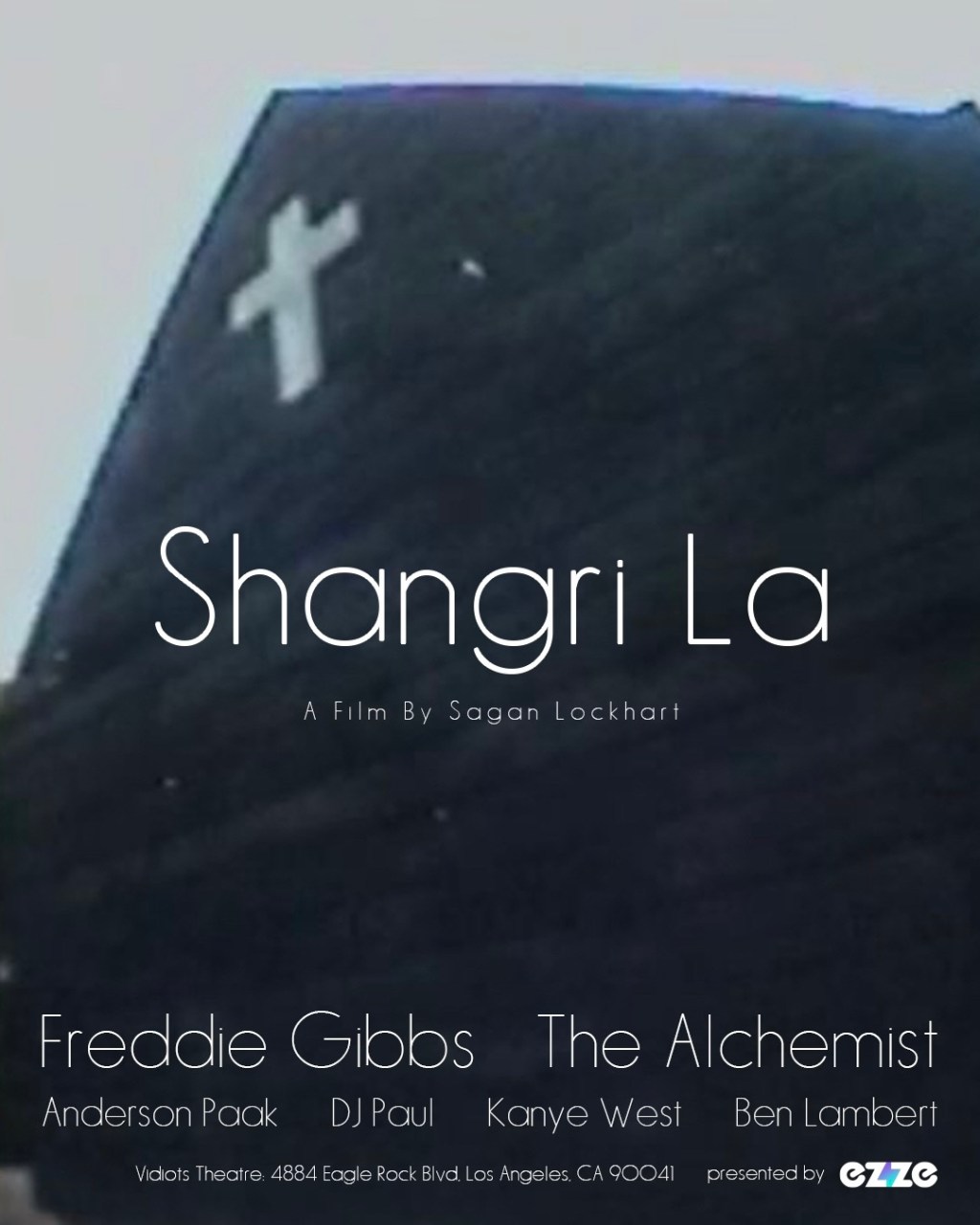
At Rick Rubin’s legendary Malibu compound, creatives are able to create — no distractions, no outside world. Two artists at the height of their respective powers retreated to the musical sanctuary, working in near-total isolation: The Alchemist as he enters conversation as one of the greatest and most prolific rap producers of all time and Freddie Gibbs as one of rap’s most technically gifted and polarizing public figures. They weren’t there just to create another album. Shangri-La has hosted enough canonical albums to qualify as a historic site, and the emcee-producer duo knew they were not only following up their renowned 2020 collaboration when composing the album there but also joining that extensive lineage.
And Sagan Lockhart was there for all of it.
With minimal outside influence, whatever gets made inside the walls of Shangri-La comes entirely from within. Living off Bob Dylan’s old tour bus, meekly stationed on the property, Lockhart chronicles the making of Alfredo 2 with his documentary Shangri-La.
The Premiere
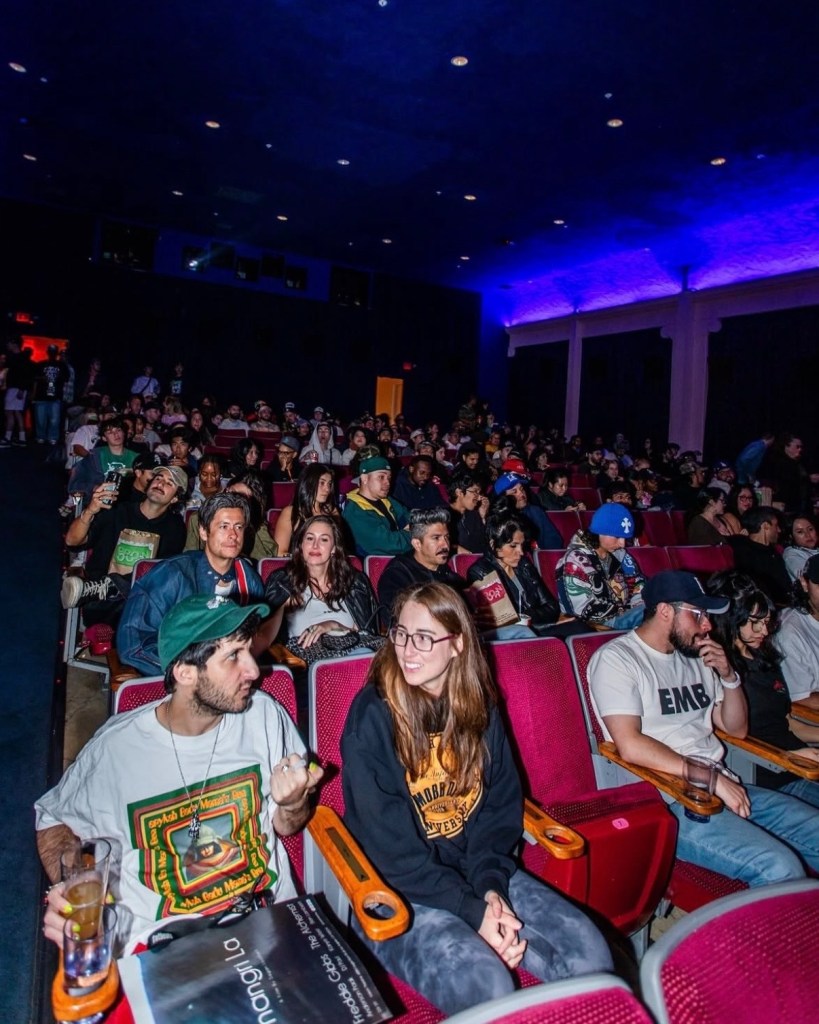
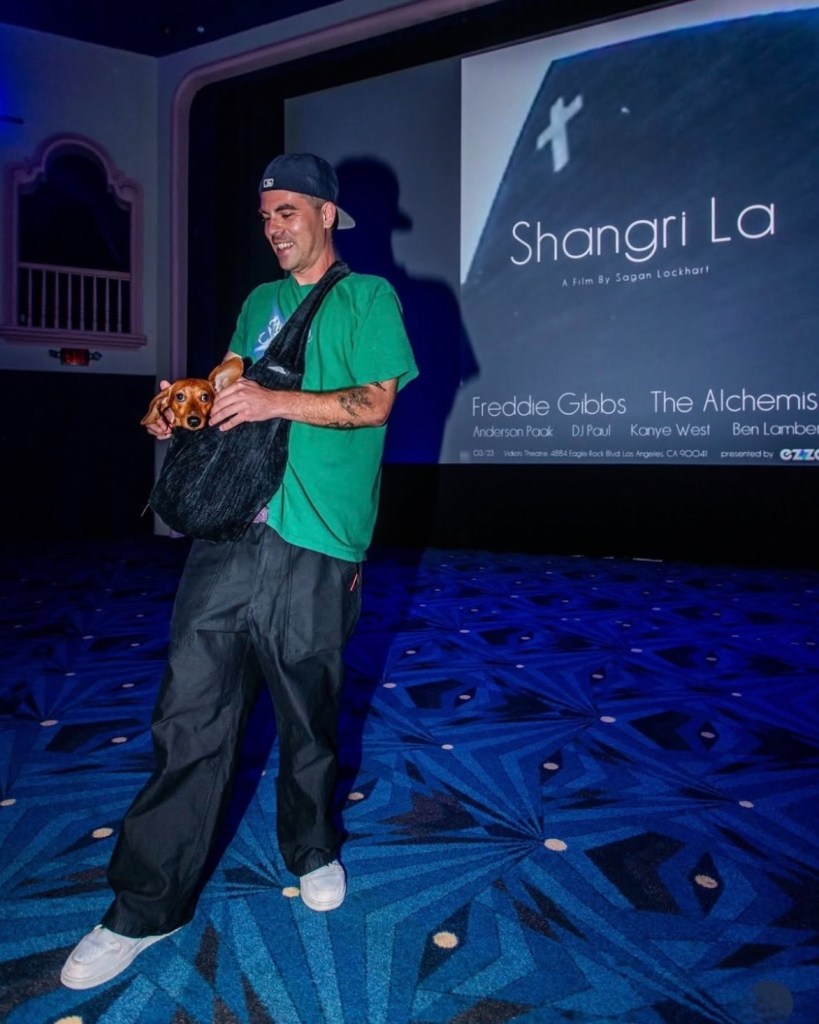
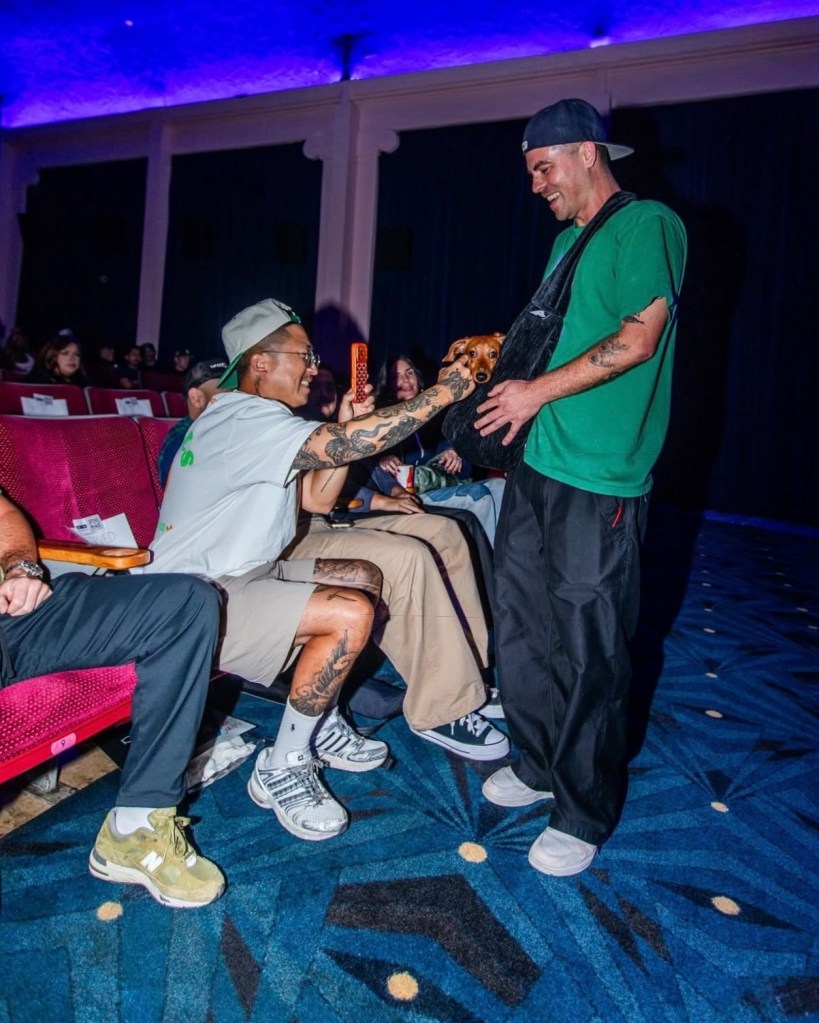
Powered by shopping app Ezze, five hundred people attended the Shangri-La premiere at Los Angeles’ Vidiots, with a long line wrapped around the block. The energy was electric — fans came ready to experience the film, and they left wanting more. Lockhart held merchandise on hand: posters, a self-made zine, and shirts — all of which sold throughout the night. The physical products connected people to the moment in a tangible way, something that resonates beyond a screen. After the second showing, Lockhart took the stage and thanked everyone who came, supported the work, and believed in what he was doing. The response from the audience made it clear: this wasn’t just a screening. It was a community moment.
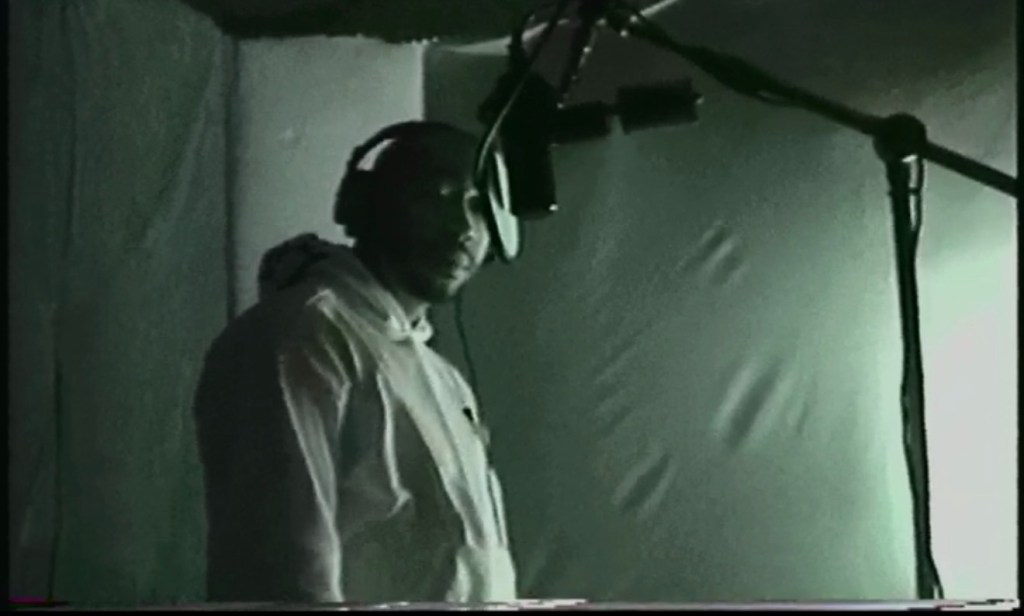
The film runs about 20 minutes with no narration, no traditional structure, and no attempt to package what you’re watching into something digestible. There’s a scene where Lockhart asks Alchemist how many beats he’s made. The answer — delivered with the kind of casual, almost bored confidence that only comes from true mastery — gets a laugh from the audience. No score swelling underneath it, no talking head to contextualize it. It just exists, the way real moments do.
That’s the whole point. Lockhart doesn’t make films about artists. He makes films about the artistic process.
The Fairfax Era
Lockhart came up during Odd Future’s cultural reign in LA’s fashion district Fairfax — not as a journalist covering the movement, but as a participant inside it — skating and shooting photos alongside Tyler, The Creator and the crew as they rewired youth culture. The grainy, handheld, fisheye visual language he helped develop wasn’t an aesthetic choice so much as a survival one.
“The reason I chose to use the equipment I do is more of an accessibility thing than an aesthetic thing. There’s so many kids that are just like, oh, I can’t afford this camera.”
–Sagan Lockhart to SoundFynd
What started as a grainy, skate-inspired budget workaround became a defining template — one that now lives through music videos, fashion campaigns, and social feeds across an entire generation of creators. However, Lockhart does not dwell on credit. “If I have influenced anyone in any kind of way, I only feel thankful.”
Inside Shangri-La
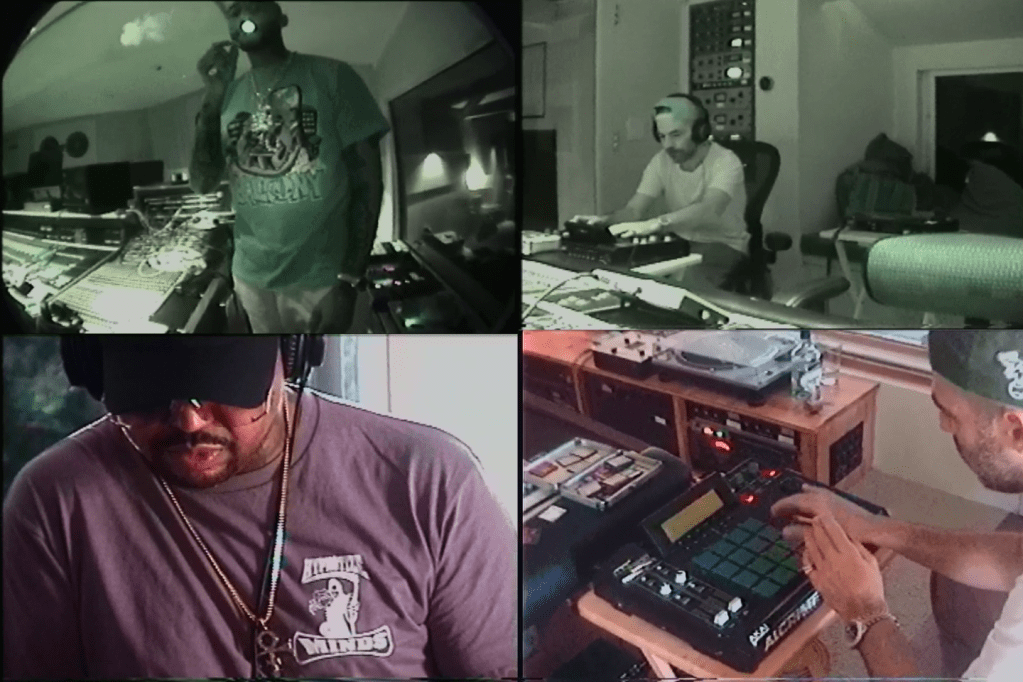
What Lockhart kept from tens of hours of footage isn’t the big moments — it’s the in-between ones: Ye walking into a session and adding something rare and unforced… DJ Paul enrapturing the room by breaking down his sampling philosophy… a casual exchange… someone bringing Jamba Juice and the whole energy shifting.
“It’s not always the big moments that make a session amazing,” Lockhart says. “When I was in the studio with Tyler and Hodgy Beats, I brought Jamba Juice and that’s why the song is called Jamba. You never know.”
No narration. No explanation. Lockhart trusts the room and trusts the audience — a hallmark of his daring directorial style.
The Method
The equipment philosophy is intentional. “Imagine I had just the gnarliest cinema camera in Shangri-La. Everyone would see that camera and maybe put on a different persona. But when you have a really cheap, shitty old camera, everyone just forgets you’re there and they’re just themselves.” It’s the same approach he used on Fairfax fifteen years ago. The technology is modest. Access is everything.
“That’s what I want to pass on to the younger generation. You don’t need the biggest, best equipment to make things. Make lemonade out of lemons.”
What Comes Next
Shangri-La is heading to more screens this summer. Follow Sagan on socials to find out if one is coming to your city. He’s also sitting on an archive most people don’t know exists: years of footage and photographs from one of hip-hop and streetwear’s most fertile periods — never published, never posted, and quietly accumulated.
He’s not in a rush with that either. He never has been.
 SoundFynd